In the world of professional automotive detailing, we often talk about machine throw, pad density, and abrasive technology. However, there is a silent factor that can turn a five-hour job into a twelve-hour nightmare: Atmospheric Humidity.
In the Middle East, particularly in coastal cities like Dubai, Abu Dhabi, and Doha, humidity levels can fluctuate from 20% to over 90% in a single day. For the paint correction specialist, humidity isn’t just a comfort issue; it is a chemical variable that changes how every compound on your shelf behaves. At CrosX Middle East, we’ve engineered our correction systems to thrive where others fail. This guide will teach you how to master the art of the “mirror finish” in the most challenging climates.
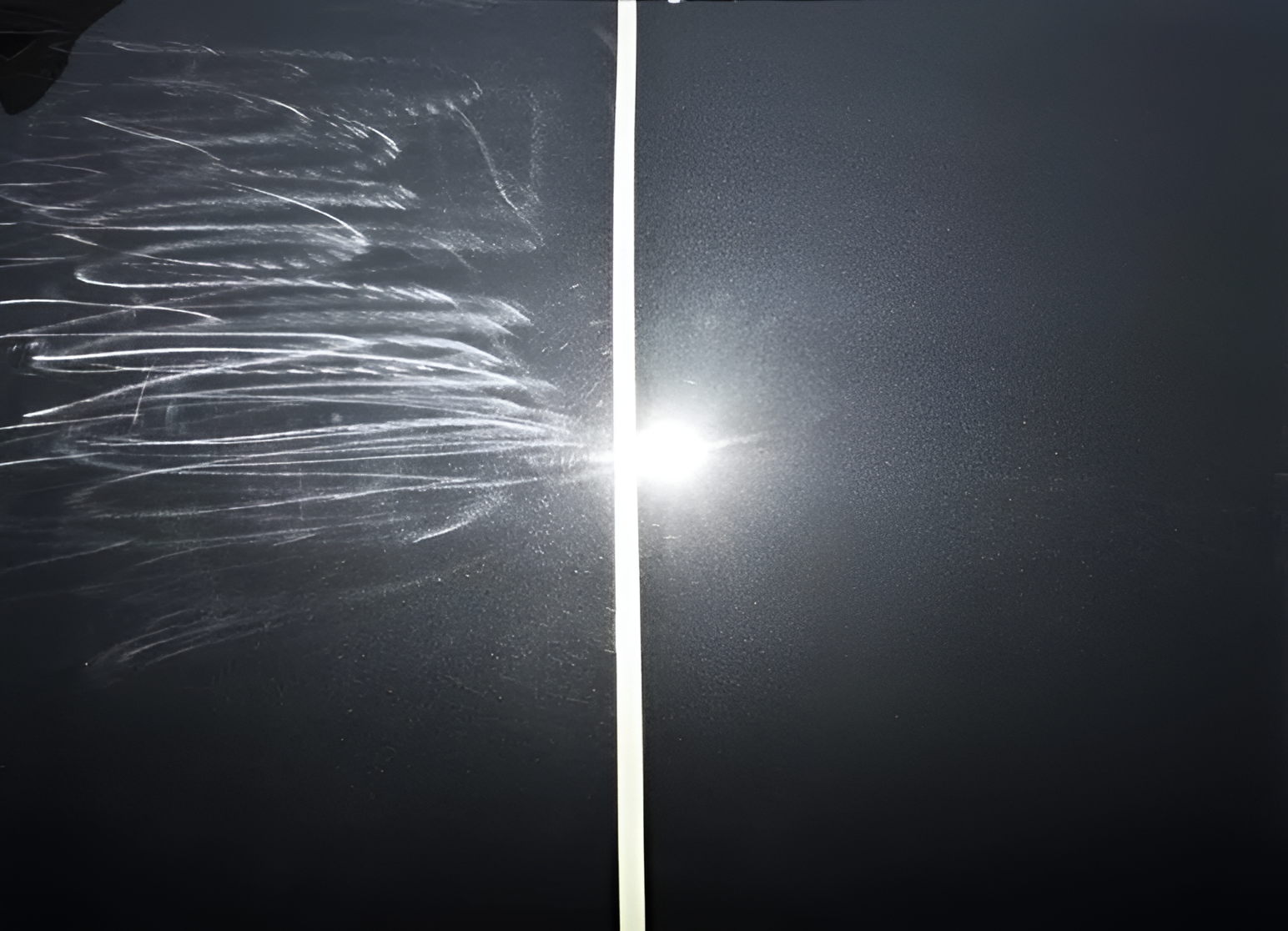
To master humidity, you must first understand what is happening under your polishing pad. Paint correction is the process of removing a microscopic layer of clear coat to level out scratches and swirls. This is achieved through a combination of:
The Humidity Conflict:
Most detailing compounds are formulated in temperate climates (Europe or North America). In high humidity, the moisture in the air prevents the lubricants in the compound from evaporating at the intended rate. Alternatively, in extreme dry heat, they evaporate too fast. When the moisture-to-oil ratio is off, you experience “clogging,” “gumming,” or “dusting.”
If you have ever been polishing and felt your machine “hop” or found that the residue is nearly impossible to wipe off with a microfiber towel, you have encountered “sticky paint.” This is often caused by high humidity softening the clear coat or reacting with the resins in the compound.
How to diagnose it:
Not all compounds are created equal. At CrosX, our compounds utilize Diminishing Abrasive Technology (DAT) and Non-Diminishing Abrasives (SMAT) that are suspended in a high-lubricity, water-based emulsion.
In high humidity, you want a compound with a “long working cycle.” This means the oils are stable enough to keep the abrasives moving without becoming a greasy mess. Our CrosX Heavy Cut and Fine Polish lines are specifically tested for tropical and desert climates to ensure that the residue remains “easy-wipe” even when the air is thick with moisture.
In a humid environment, heat cannot escape as easily. If your pad gets too hot, the paint softens, and the compound fails.
The CrosX Solution: Open-Cell Foam vs. Microfiber
When the humidity hits 80%, you cannot polish the same way you would at 30%.
In a humid climate, polishing oils love to stick to the paint. If you don’t remove every trace of these oils, your Ceramic Coating will not bond properly, leading to premature failure.
After correction, use a high-flash-point panel prep. In high humidity, standard IPA (Isopropyl Alcohol) mixes can sometimes “streak.” A dedicated panel prep like the one in the CrosX Surface Prep line uses a blend of solvents that encapsulate the oils and lift them off, leaving a perfectly “naked” surface ready for coating.
While we can’t control the weather, we can control the workshop.
Most global brands treat the Middle East as an afterthought. At CrosX Middle East, we treat it as the primary laboratory. Our polishing pads are thermally bonded to resist delamination in the heat, and our compounds are emulsified to provide a clean “break” regardless of the hygrometer reading.
Paint correction is a symphony of friction, chemistry, and environmental awareness. By understanding how humidity affects your compound’s “open time” and your pad’s heat retention, you move from being a “buffer operator” to a master detailer.
Don’t let the UAE humidity dictate your results. With the right technique and CrosX professional supplies, you can achieve a flawless, swirl-free finish 365 days a year.